

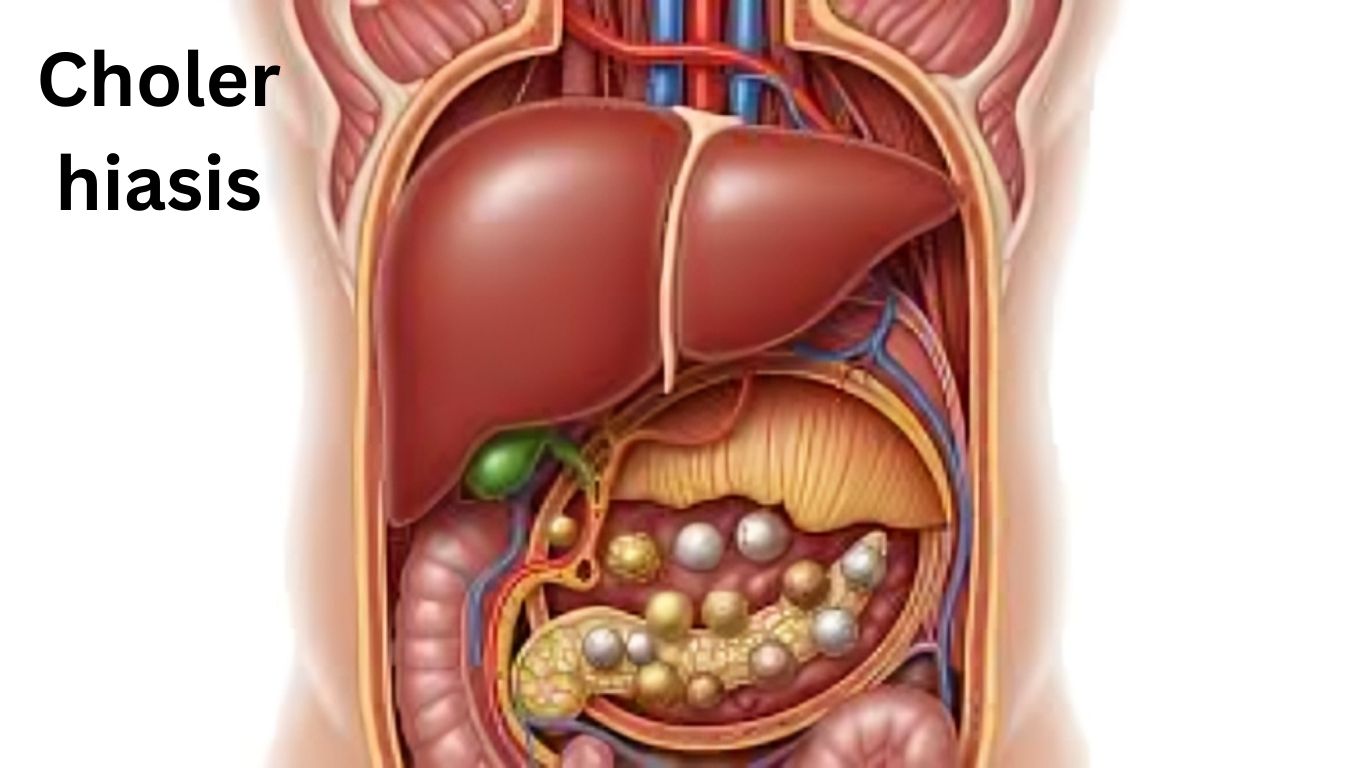
Cholerhiasis is a term that often appears in health-related searches, especially among people trying to understand digestive disorders and gallbladder conditions. Although the spelling “cholerhiasis” is less common, it is frequently used to refer to Cholelithiasis, a condition where stones form in the gallbladder. Understanding cholerhiasis is important because it affects millions of people in the United States each year.
This condition can range from mild discomfort to severe pain, depending on the size and location of the stones. When people search for cholerhiasis, they are usually looking for clear answers about symptoms, causes, and treatment options. This article provides a complete, easy-to-read guide to help you understand cholerhiasis and how to manage it effectively.
What Is Cholerhiasis?
Cholerhiasis refers to the formation of hardened deposits, commonly known as gallstones, in the gallbladder. The gallbladder is a small organ located under the liver, and it stores bile, a fluid that helps digest fats.
When bile becomes imbalanced, it can form crystals that grow into stones. These stones can block bile ducts, leading to pain and other complications. That is why cholerhiasis is often associated with digestive discomfort and sudden abdominal pain.
In many cases, cholerhiasis may not cause symptoms right away. However, when a stone blocks a duct, it can lead to a painful condition known as a gallbladder attack.
Causes of Cholerhiasis
Several factors contribute to the development of cholerhiasis. One of the main causes is an imbalance in the substances that make up bile, such as cholesterol and bilirubin.
When cholesterol levels in bile become too high, it can lead to the formation of cholesterol stones. This is the most common type of cholerhiasis. Similarly, excess bilirubin can cause pigment stones to form.
Diet also plays a role in cholerhiasis. High-fat and high-cholesterol diets increase the risk of gallstone formation. At the same time, rapid weight loss or fasting can also trigger the condition.
Hormonal changes can contribute as well. For example, pregnancy and certain medications can increase the likelihood of developing cholerhiasis.
Symptoms of Cholerhiasis
Cholerhiasis does not always cause noticeable symptoms. Many people have gallstones without even knowing it. However, when symptoms do appear, they can be quite intense.
The most common symptom is sudden pain in the upper right abdomen. This pain may spread to the back or shoulder and often occurs after eating fatty meals.
Other symptoms include nausea, vomiting, and bloating. Some people also experience indigestion or a feeling of fullness.
In more serious cases, can lead to complications such as infection or inflammation. Symptoms like fever, jaundice, or severe abdominal pain require immediate medical attention.
Types of Gallstones in Cholerhiasis
Cholerhiasis can involve different types of gallstones. The most common type is cholesterol stones, which are usually yellow-green in color. These stones form when there is too much cholesterol in bile.
Pigment stones are another type. They are smaller and darker, often forming due to excess bilirubin. These stones are more common in people with certain medical conditions.
Understanding the type of stone can help guide treatment. Doctors may use imaging tests to determine the nature of the stones.
Risk Factors for Cholerhiasis
Several risk factors increase the likelihood of developing cholerhiasis. Age is one of the main factors, as the risk increases over time.
Gender also plays a role. Women are more likely to develop, especially during pregnancy or when using hormone therapy.
Obesity is another major risk factor. Excess body weight can increase cholesterol levels in bile, leading to stone formation.
Family history can also influence the risk. If close relatives have had gallstones, the chances of developing the condition may be higher.
How Cholerhiasis Is Diagnosed
Doctors use various methods to diagnose cholerhiasis. The most common test is an ultrasound, which can detect gallstones in the gallbladder.
Blood tests may also be used to check for signs of infection or inflammation. These tests help determine whether is causing complications.
In some cases, additional imaging tests may be required. These tests provide a clearer picture of the bile ducts and help identify blockages.
Early diagnosis of is important. It allows for timely treatment and reduces the risk of complications.
Treatment Options for Cholerhiasis
Treatment for cholerhiasis depends on the severity of the condition. If there are no symptoms, doctors may recommend monitoring without immediate treatment.
However, when symptoms occur, treatment is usually necessary. One common approach is medication to dissolve gallstones, although this method can take time.
Surgery is often the most effective treatment. The procedure, known as Cholecystectomy, involves removing the gallbladder. This is a common and generally safe procedure.
After surgery, most people can live a normal life without a gallbladder. The body adjusts by allowing bile to flow directly into the small intestine.
Lifestyle Changes to Manage Cholerhiasis
Lifestyle changes can help reduce the risk of cholerhiasis and manage symptoms. A healthy diet is one of the most important factors.
Eating balanced meals with less fat and more fiber can improve digestion and reduce the likelihood of gallstone formation. Regular exercise also plays a key role.
Maintaining a healthy weight is essential. Rapid weight loss should be avoided, as it can increase the risk.
Staying hydrated and following a consistent eating schedule can also support gallbladder health.
Complications of Cholerhiasis
If left untreated, cholerhiasis can lead to serious complications. One of the most common complications is inflammation of the gallbladder, known as Cholecystitis.
This condition can cause severe pain, fever, and infection. Another complication is blockage of the bile ducts, which can lead to jaundice.
In rare cases, can cause pancreatitis, a serious condition involving inflammation of the pancreas.
Prompt treatment of helps prevent these complications and improves overall health outcomes.
Preventing Cholerhiasis
Preventing cholerhiasis involves adopting healthy habits. A balanced diet that includes fruits, vegetables, and whole grains can reduce the risk.
Limiting high-fat and processed foods is also important. These foods can contribute to the formation of gallstones.
Regular physical activity supports overall health and helps maintain a healthy weight. This reduces the likelihood of developing.
Avoiding rapid weight loss is another key factor. Gradual weight management is safer and more effective in preventing gallstones.
Cholerhiasis and Diet
Diet plays a major role in both the prevention and management of cholerhiasis. Foods high in fiber support digestion and help regulate bile production.
Healthy fats, such as those found in nuts and fish, can be beneficial in moderation. However, excessive intake of unhealthy fats should be avoided.
Small, frequent meals can help the gallbladder function properly. This reduces the risk of bile buildup and stone formation.
Making smart dietary choices can significantly impact the progression.
Living With Cholerhiasis
Living with cholerhiasis requires awareness and proper management. Many people manage the condition successfully with lifestyle changes and medical care.
Understanding triggers, such as fatty meals, can help prevent painful episodes. Regular check-ups are also important for monitoring the condition.
For those who undergo surgery, recovery is usually quick. Most individuals return to normal activities within a few weeks.
With the right approach, can be managed effectively, allowing individuals to maintain a good quality of life.
When to See a Doctor
It is important to seek medical attention if symptoms of cholerhiasis become severe. Persistent abdominal pain, fever, or jaundice should not be ignored.
Early treatment can prevent complications and improve outcomes. Doctors can provide guidance on the best treatment options based on individual needs.
Ignoring symptoms of can lead to more serious health issues. Therefore, timely care is essential.
Final Thoughts on Cholerhiasis
Cholerhiasis is a common condition that affects many people, but it is manageable with the right knowledge and care. Understanding the causes, symptoms, and treatment options helps individuals make informed decisions.
By adopting a healthy lifestyle and seeking medical advice when needed, the impact of can be minimized. Awareness is the first step toward prevention and effective management.
FAQs About Cholerhiasis
Many people wonder what cholerhiasis actually is. It refers to the formation of gallstones in the gallbladder, which can cause pain and digestive issues. Although some cases are symptom-free, others require medical treatment.
Another common question is whether cholerhiasis can go away on its own. In some cases, small stones may not cause problems, but symptomatic usually requires treatment, including possible surgery.
People also ask how diet affects cholerhiasis. A healthy diet low in fat and high in fiber can reduce the risk and help manage symptoms. Avoiding heavy, fatty meals is especially important.
Some individuals are concerned about surgery. Gallbladder removal is a common and safe procedure, and most people recover quickly. Life without a gallbladder is generally normal.
Finally, many ask how to prevent. Maintaining a healthy weight, eating balanced meals, and staying active are the best ways to reduce the risk of developing gallstones.
