
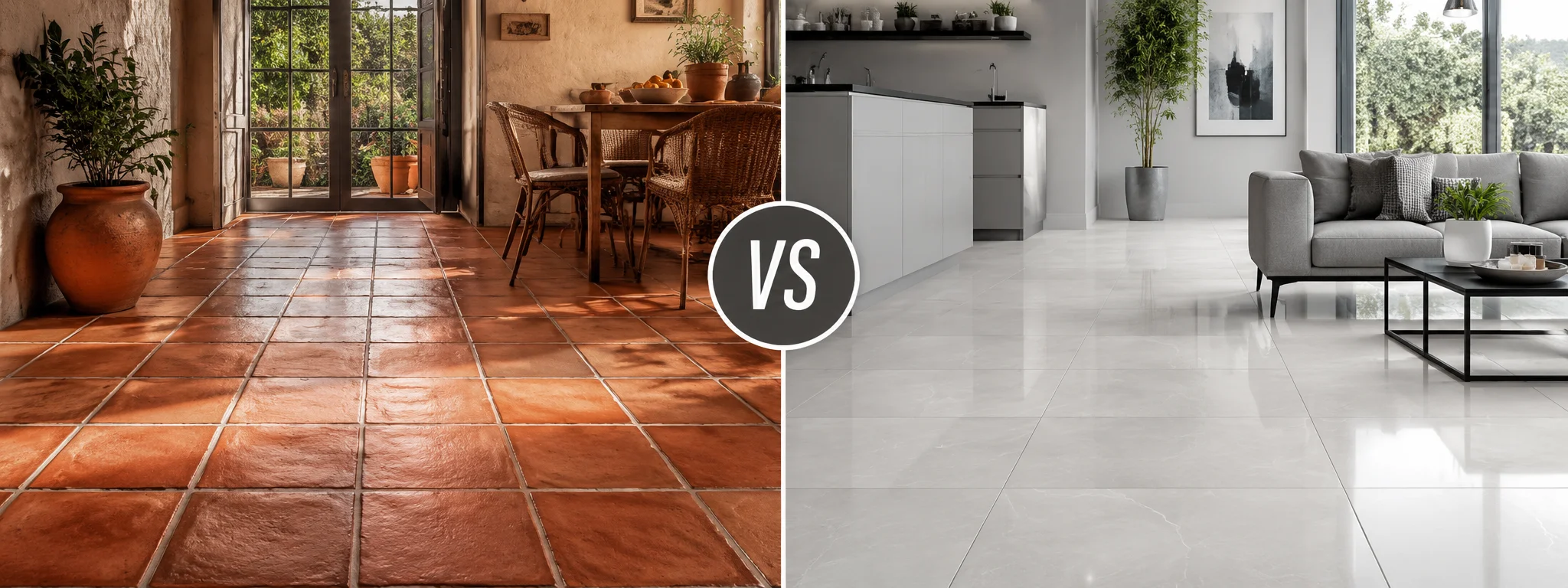

Choosing the right tile for your home can be a complex decision, especially when sustainability is a priority. Terracotta Tile vs ceramic tiles, both are popular choices in home improvement and interior design for their durability and aesthetic appeal. However, understanding their environmental impact is crucial to making an informed choice.
This article will explore the sustainability aspects of terracotta and ceramic tiles, comparing their environmental impacts and the factors influencing their eco-friendliness. By the end, you’ll have a clearer idea of which tile option aligns better with sustainable practices in home design.
Terracotta Tile vs Ceramic Tile: A Sustainability Comparison
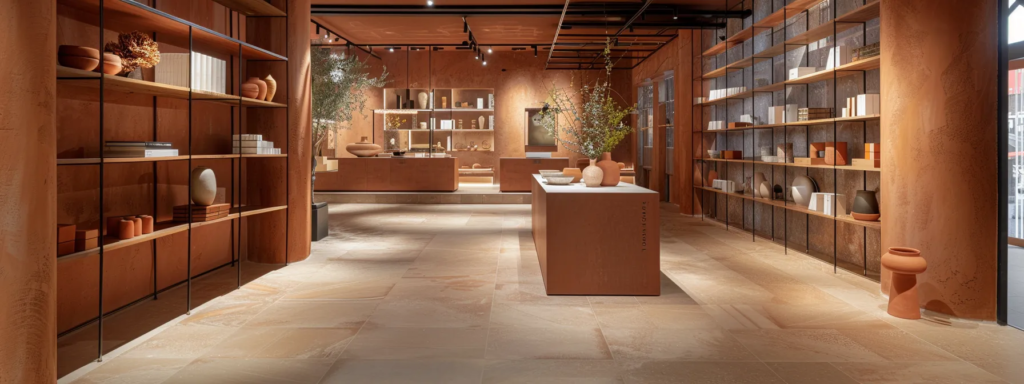
When comparing Terracotta Tile and ceramic tile in terms of sustainability, it’s important to consider their production processes. Terracotta Tiles are made from natural clay that is molded and baked at a lower temperature than ceramic tiles, which are fired at higher temperatures. This difference in firing temperature means that Terracotta Tiles consume less energy during production, making them a potentially more sustainable choice. Furthermore, terracotta’s natural clay composition often eliminates the need for artificial dyes, reducing chemical use.
Ceramic tiles, on the other hand, often require additional glazing and firing processes to achieve their finished look. This extra step can increase their carbon footprint due to higher energy consumption. However, advancements in 3D rendering software allow manufacturers to optimize the tile production process, reducing waste and improving efficiency. Ultimately, the choice between terracotta and ceramic tiles depends on how these production factors align with your sustainability goals.
Environmental Impact of Terracotta Tiles
Terracotta Tiles are known for their rustic charm and their ability to blend seamlessly into various interior designs. Their environmental impact is relatively low due to the use of natural materials and a simpler manufacturing process. The aesthetic value ratio of Terracotta Tiles is high, meaning they offer significant visual appeal without extensive processing. Additionally, terracotta is often used in hardscape installation, where its natural appearance complements outdoor spaces effectively.
One of the sustainability benefits of terracotta is its potential for reuse. When properly maintained, these tiles can be reclaimed and reused in new projects, minimizing waste. Moreover, sourcing Terracotta Tiles from manufacturers with LEED Certification can further assure that their production adheres to environmentally friendly standards. However, the porous nature of terracotta means it may require sealants, which could impact its overall eco-friendliness if not chosen carefully.
Environmental Impact of Ceramic Tiles
Ceramic tiles are valued for their versatility and durability, making them a popular choice in both residential and commercial projects. The energy-intensive production process of ceramic tiles, which includes glazing and high-temperature firing, can contribute to a higher environmental impact compared to terracotta. However, modern techniques like CAD and schematic design improve resource management, potentially offsetting some environmental concerns.
In terms of sustainability, ceramic tiles can be produced with recycled materials, reducing the need for virgin resources. This practice is becoming more common as manufacturers aim to enhance their environmental profiles. Additionally, ceramic tiles are often included in mood board development for their wide range of colors and finishes, which can be achieved using less harmful materials and processes.
Factors Influencing Tile Sustainability Choices
Several factors influence the sustainability of tile options in home improvement and interior design. One crucial consideration is the building code compliance of the tiles, which ensures they meet safety and environmental standards. The choice between terracotta and ceramic tiles can also depend on space planning needs. For instance, ceramic tiles might be preferred for high-traffic areas due to their durability.
The sustainability of tiles is also affected by their lifecycle. A punch list, which is a document listing work that does not conform to contract specifications, can help identify the need for repairs or replacements, influencing the long-term sustainability of the material. Furthermore, incorporating color theory application in design ensures that selected tiles contribute to the desired ambiance, reducing the need for frequent renovations.
Conclusion

Understanding the sustainability of terracotta and ceramic tiles requires a comprehensive look at their production, material composition, and lifecycle. Terracotta Tiles offer a more natural and energy-efficient option, while ceramic tiles provide versatility and durability with potential improvements in eco-friendliness through advanced manufacturing techniques. Ultimately, the choice between these tiles should align with your sustainability objectives and design goals, ensuring your home improvement projects contribute positively to the environment.