
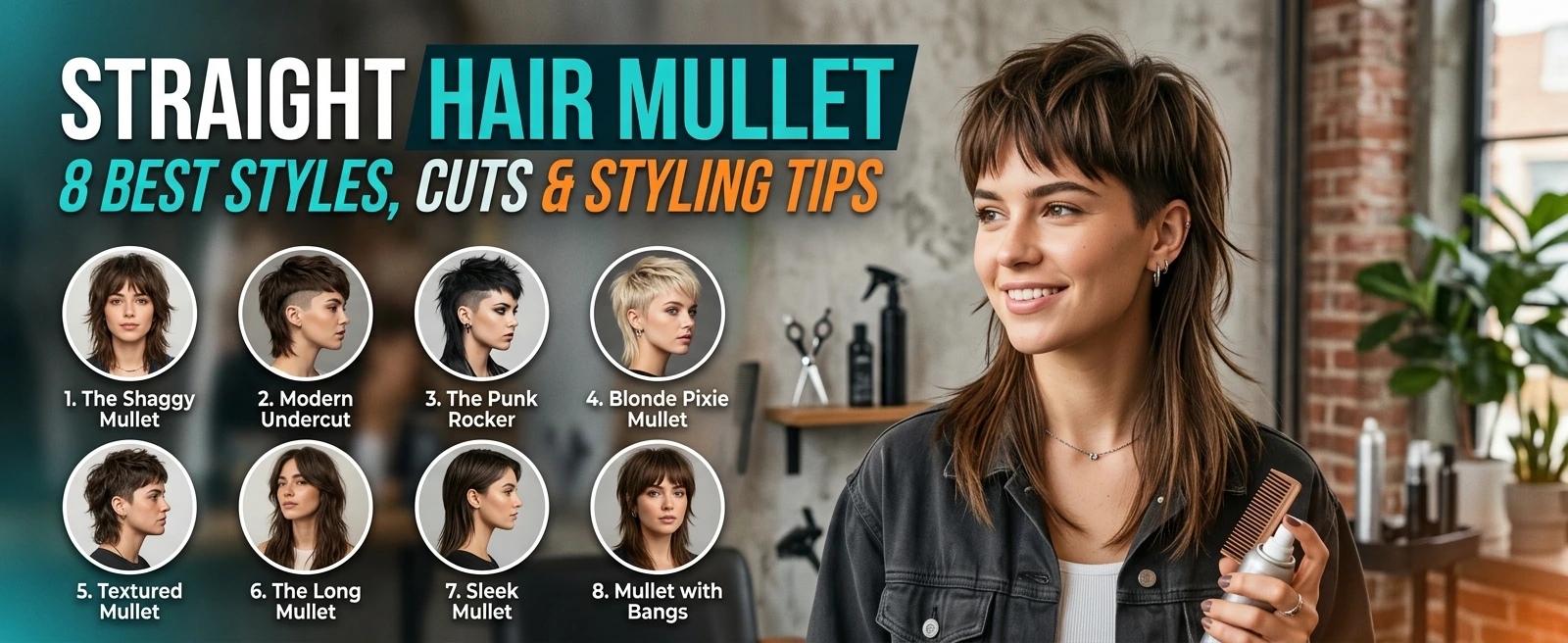

A straight hair mullet can be clean and modern, bold and edgy, or somewhere in between. With short sides and a longer back, this haircut gives straight hair a sharp shape while still allowing room for texture and movement. Whether you want a subtle, work-friendly cut or a more noticeable retro style, there is a mullet option for you. The key is choosing the right hair length, layers, and side treatment for your hair texture and lifestyle.
What Is a Straight Hair Mullet?
A straight hair mullet haircut is shorter around the front and sides while keeping more length toward the back and nape. This creates the classic contrast that makes a mullet easy to recognize.
A straight mullet haircut can be customized in many ways. The sides may have tapered sides, faded sides, or a low taper fade. The top can stay smooth or include a layered top and textured top for more movement.
Straight hair makes the shape easy to see because the strands naturally fall in a clear direction. This can create a clean, structured look, but it also means uneven cutting or too much weight can be more noticeable.
Why Does a Mullet Work Well With Straight Hair?
Straight hair can be a good match for a mullet because it shows the haircut’s shape clearly. The difference between short sides and a longer back creates strong visual contrast without needing naturally curly or wavy texture.
It can also be fairly easy to style. A modern mullet for straight hair can look polished with minimal product, while a textured mullet for straight hair can have more natural movement.
Hair thickness matters, too. Fine straight hair may look flat without layers or texture, while thick straight hair can support more layers and volume. If your hair tends to lie flat, a barber can remove some weight and add texture without making the ends look too thin.
8 Best Straight Hair Mullet Styles
A straight hair mullet can look very different depending on the length, layers, taper, and overall finish. From clean and subtle cuts to longer and more textured styles, these eight options can help you find a look that fits your hair and personal style.
1. Modern Straight Hair Mullet

The modern straight hair mullet gives the classic cut a cleaner and more polished finish. It usually features shorter, controlled sides, a lightly textured top, and a medium-length back. This is a good choice if you want a stylish mullet without an overly dramatic look.
2. Low Taper Straight Hair Mullet
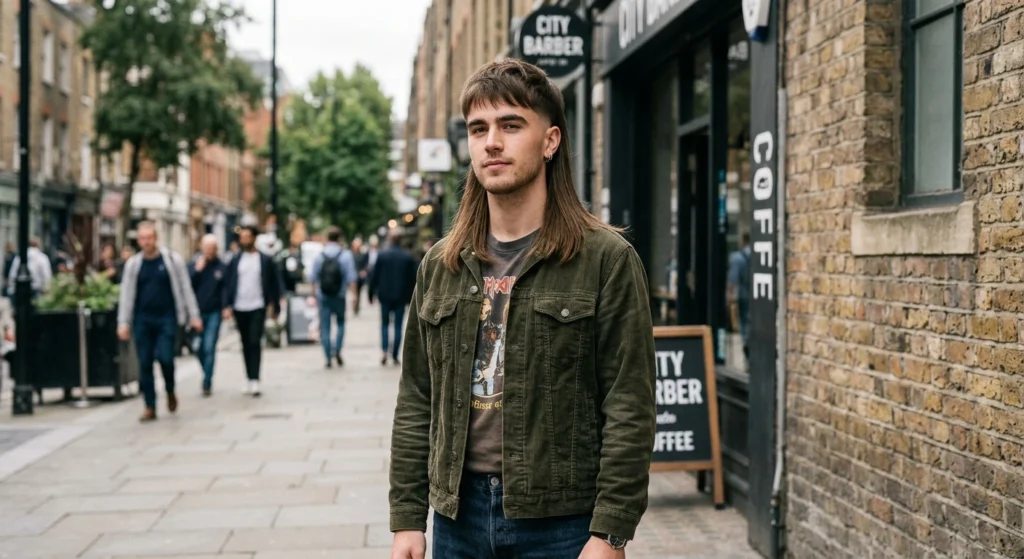
A low taper straight hair mullet gradually shortens the hair around the sideburns and neckline while keeping more length through the back. The transition is softer than a strong fade, making this style a good option for a clean, subtle, and more work-friendly appearance.
3. Straight Hair Mullet Fade
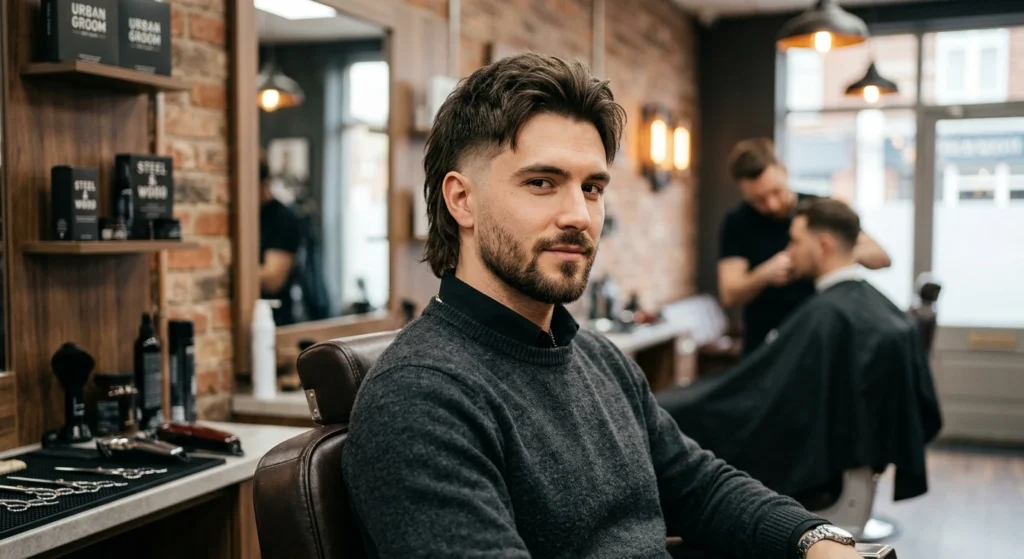
A straight hair mullet fade creates a stronger contrast between the short sides and longer back. The faded sides can range from a soft fade to a skin fade, depending on how bold you want the haircut to look. This style works well for someone who wants a sharper, more noticeable mullet.
4. Classic Straight Hair Mullet

The classic mullet keeps the traditional shape that made the style popular: shorter hair toward the front and sides with noticeably longer hair at the back. With straight hair, the longer back falls naturally and gives the haircut a clear retro appearance.
5. Short Straight Hair Mullet

A short straight hair mullet is a simple way to try the style without committing to a long back. The sides, top, and back are kept relatively short while still creating the recognizable mullet shape. It is also easier to maintain and can work well for people who prefer a cleaner everyday haircut.
6. Long Straight Hair Mullet

A long straight hair mullet leaves significantly more length at the back and nape, creating a stronger and more dramatic silhouette. The straight texture allows the longer hair to fall smoothly, making the back length a major part of the style. Consider how much time you are willing to spend growing and maintaining the longer section before choosing this look.
7. Layered Straight Hair Mullet
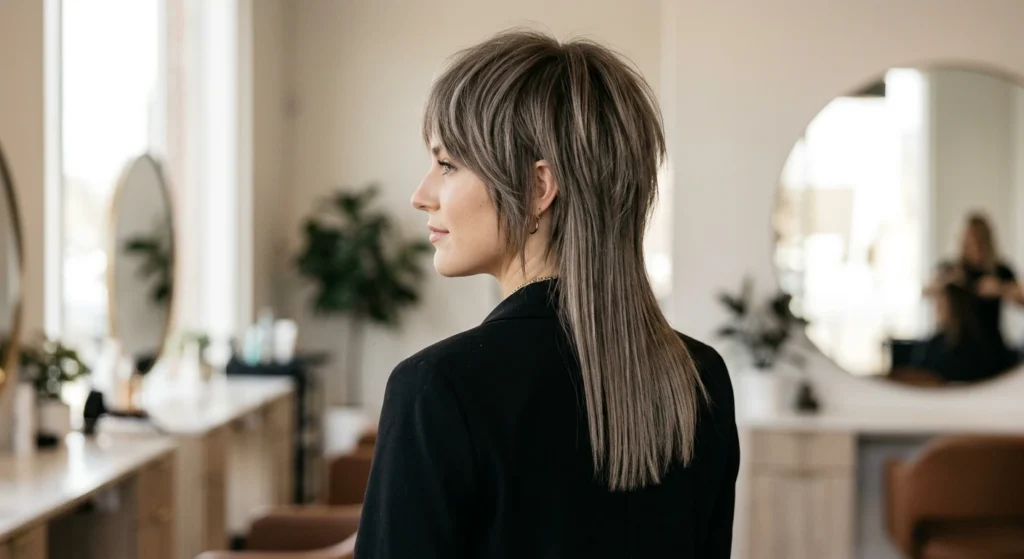
A layered straight hair mullet uses different lengths throughout the top and back to create movement and volume. This can be especially helpful for straight hair that looks flat or heavy. Adding soft layers or choppy ends gives the haircut more texture while keeping its overall mullet shape.
8. Straight Hair Shag Mullet

A straight hair shag mullet combines the longer back of a mullet with the loose, layered feel of a shag haircut. It usually features choppy layers, a textured top, and less structured ends for a relaxed, edgy appearance. It can also have some elements of a wolf cut, making it a good choice for someone who wants a more fashion-forward style.
How to Choose the Right Straight Hair Mullet
Start with your hair texture and thickness. Fine straight hair often benefits from a layered or textured top because too much weight can make it look flat. Thick straight hair may need extra layering to control bulk.
Next, consider your desired back length. A short back creates a more subtle look, while longer hair at the nape makes the mullet more obvious.
Your lifestyle also matters. If you work in a setting with a conservative dress code, a low taper or shorter mullet may be easier to manage than a dramatic fade and long back.
Your face shape can also guide the cut. A barber can adjust the top, fringe, layers, and back length to create better balance. Finally, think about mullet maintenance. Fades and tapers usually need regular trims to stay sharp.
How to Ask Your Barber for a Straight Hair Mullet
During your barber consultation, explain that you want the sides shorter while keeping noticeable length at the back. A simple request could be:
“I want a straight hair mullet with shorter sides, a longer back, and a blended transition. Keep the top textured and adjust the back length to match this photo.”
Always bring a reference photo. Hair length, density, and growth patterns differ from person to person, so one guard number will not work for everyone.
Ask your barber to look at your actual hair texture and face shape before deciding how much to remove. This can help you avoid a cut that looks good in a photo but does not suit your natural hair.
How to Style and Maintain a Straight Hair Mullet
Straight hair usually does not need a complicated styling routine. After washing, gently dry your hair and use a blow dryer if you want extra shape or volume.
For fine or flat hair, a light texture spray or sea salt spray can add movement. Use a small amount of lightweight pomade when you want to define the ends or keep the top in place. Avoid using too much styling product because it can make straight hair look heavy.
The American Academy of Dermatology recommends limiting excessive heat and using low or medium heat when blow-drying or using other heat tools. It also recommends protecting hair from heat to reduce damage.
For more general hair-care guidance, the American Academy of Dermatology’s hair-care guide is a useful reference.
Keep the sides and neckline fresh with regular trims, while allowing the back to keep its intended length. If you prefer a low-maintenance mullet, choose a softer taper and a length that does not require daily styling.
Is a Straight Hair Mullet Right for You?
A straight hair mullet can be a good choice if you like the contrast of short sides and a longer back. The style is flexible enough to work with different hair lengths, thicknesses, and personal preferences.
Choose a shorter or tapered version if you want something more subtle. If your straight hair looks flat, layers and texture can create more volume and natural movement. For a stronger statement, consider a longer back, fade, or shag-inspired finish.
Before getting the cut, show your barber a clear reference photo and discuss your preferred back length, styling routine, and maintenance needs. This gives you a better chance of getting a mullet that fits your hair rather than simply copying someone else’s haircut.
Frequently Asked Questions
Does a mullet work with straight hair?
Yes. Straight hair can work very well with a mullet because it shows the haircut’s shape clearly. The contrast between short sides and a longer back is easy to see. If your hair is fine or flat, layers and light texture can add movement and prevent the back from looking too heavy.
Which mullet haircut is best for straight hair?
There is no single best style for everyone. A low taper mullet is a good starting point if you want a cleaner and more subtle look. A layered or shag mullet can work well if you want more movement, while a fade creates stronger contrast. Your hair thickness, face shape, and lifestyle should guide the choice.
What face shape suits a mullet?
A mullet can be adjusted for many face shapes. An oval face offers plenty of flexibility, while round faces may benefit from some height on top. Longer faces can work well with a suitable fringe and less height. Your barber can adjust the layers, sides, and back to create better balance.
Is a mullet hairstyle attractive?
That depends on personal taste. A well-cut mullet can look clean, modern, retro, or edgy depending on the style. If you want a less dramatic appearance, try a shorter mullet or taper. If you prefer a stronger look, a longer back, fade, or textured layers can make the style more noticeable.
Is a straight hair mullet high maintenance?
It can be low to moderate maintenance. Faded and tapered styles need more frequent trims to keep the sides sharp, while longer layered styles can be easier to grow out. Straight hair may also require little daily styling if it naturally falls into the desired shape.
Does Virat Kohli have a mullet?
Virat Kohli has worn several hairstyles during his career, and some have included shorter sides with more length toward the back. Whether a particular look is called a mullet depends on the exact haircut and how the term is defined. If you like one of his hairstyles, showing the exact photo to your barber is the safest way to recreate it.